
Your Recommended Diet: myBALANCEDhealth
Your Optimal Health Report indicates that genetically you have a balanced ability to metabolise sugars and an awareness to not over-consume sugar, sweet foods and refined carbohydrates. Your report also suggests your fat intake and metabolism is within health ranges.
You are recommended to follow the myBALANCEDhealth eating plan, which focuses on core healthy eating and promoting awareness of positive food choices. By prioritising health maintenance through balancing whole carbohydrates, lean protein and beneficial fat intakes, this approach should enable you to move towards optimal wellness.
The information below will provide you with general dietary guidelines to help you personalise the food choices in your diet. This information is designed to be used alongside the specific information presented in your Optimal Health Report.
You are encouraged to balance your intake of proteins, healthy fats, and whole carbohydrates.
Plate Explanation
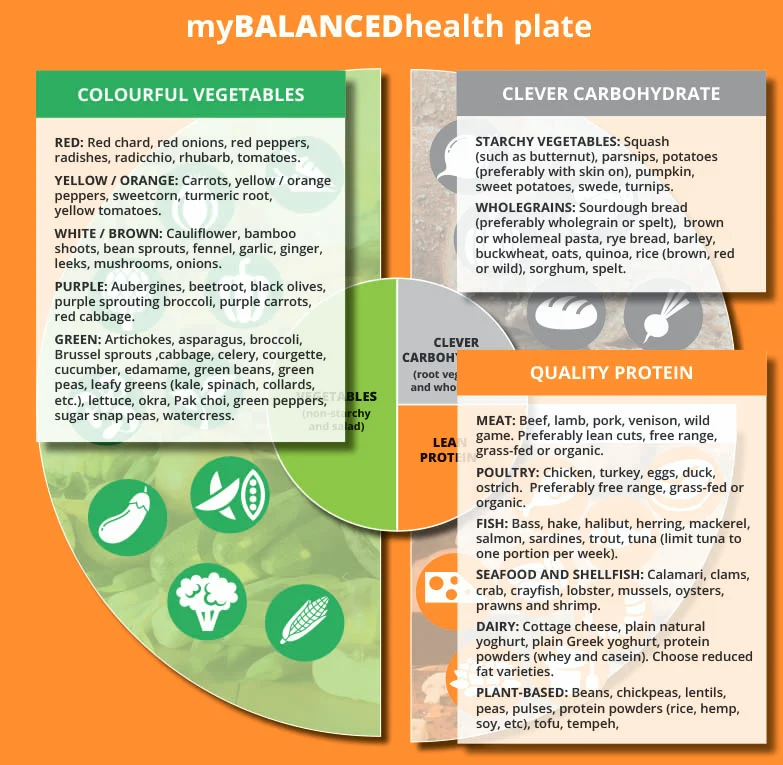
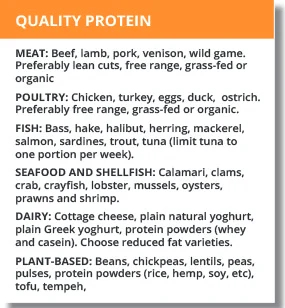
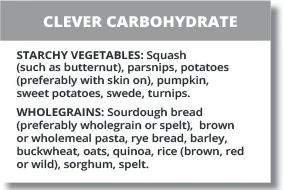
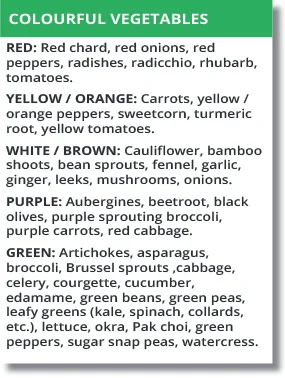
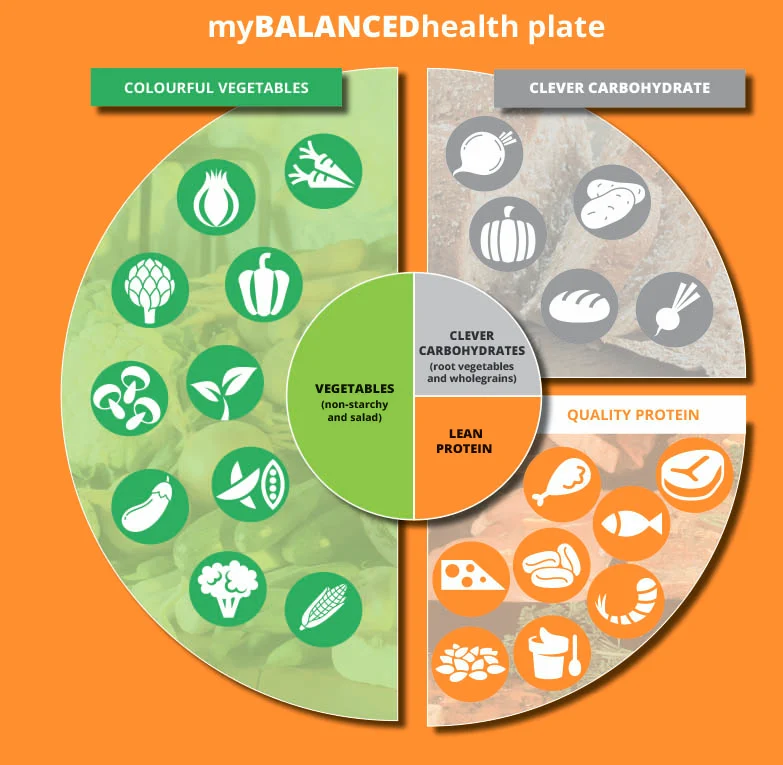 Main meals (lunch and dinner) should be filled almost half with a rainbow of vegetables and salad, and these are foods with lots of fibre, vitamins and minerals. One-third of the plate should be filled with a healthy carbohydrate such as skin-on potatoes (new potatoes or a medium jacket potato), wholegrain pasta, rice, quinoa, or one to two slices of sourdough or rye bread. Whole foods such as these are essential sources of fibre and micronutrients. The remaining portion of your plate should be filled with lean meat or protein alternatives, such as beef, pork, chicken, turkey, white and oily fish, tofu, eggs, beans, lentils, pulses or low-fat dairy. These protein-rich foods are essential for growth and repair, and protein is also slowly digested, so it will help keep you feeling fuller for longer.
 |
 |
 |
Top Tips For Changing Your Plate
Does this seem like a significant change from your current eating habits? Research shows that small goals can help us to make a long-term beneficial change to our diets.
First, look to transition to your new way of eating. For example, focus on increasing your vegetable consumption by gradually increasing the proportion at each meal to fill half of your plate.
Part of eating a healthy, balanced diet includes being flexible and limiting your rules and restrictions around food. Being too restrictive can lead to the development of disorderly eating patterns. Listen to your body’s cravings, and allow yourself some flexibility.
Fruit
Whilst fruit is very good for us, some fruit can be very high in naturally-occurring sugars.
Therefore fruit should be eaten as one or two portions per day, preferably of lower sugar varieties (1 portion is approximately 80g / handful).
Again, aiming to have a rainbow of colour is beneficial.
Eat the Rainbow
Our bodies function best when they take in nutrients from all different types and colours of whole foods.
Aim to eat at least five different colours of fruits and vegetables each day.
Hydration
If you are not already meeting current guidelines to consume six to eight glasses of fluid every day, look to increase your intake. This could include water, lower-fat milk, herbal teas, broth, and fresh, raw, cold-pressed vegetable juices. To help you stay hydrated, carry a water bottle with you everywhere you go. Hydration should be increased to take into account exercise.
Ideal Fats
Healthy fats should be a part of our diet and should be obtained through high-quality oils, nuts and seeds. Look to eat these in small amounts (7-14g) up to three times a day.
- Cold-Pressed Oils: Avocado oil, coconut oil, fish oil, flaxseed oil, hemp seed oil, extra virgin olive oil, walnut oil.
- Nuts (raw): Almonds, Brazil nuts, cashews, hazelnuts, macadamias, pecans, pine nuts, walnuts.
- Seeds (raw): Chia seeds, flax seeds, hemp seeds, pumpkin seeds, sesame seeds, sunflower seeds.
- Other: Avocado, butter and ghee, coconut, non-dairy kinds of milk (coconut, almond, soy, etc.), nut butter (almond, macadamia, etc.), olives, peanuts, peanut butter (unsweetened).
Storage and Cooking of Fats
Due to their nature, fats and oils are easily degraded by heat and light, becoming rancid, losing their benefits, and becoming detrimental to our health.
Follow the following tips to keep your fat and oils in the best condition:
- Oils should be kept in the dark glass containers at cool temperatures and used before their sell-by date.
- Never cook with fats at high temperatures. If you need to fry or roast, use a small amount of stable fat such as coconut oil or ghee at the lowest temperature possible.
- Do not fry or excessively heat monosaturated or polyunsaturated oils. Instead, use these as salad dressings.
- Throw away any fat or oil if it smells rancid.
Things to Avoid
- Processed Foods (packaged and canned)
- Ready meals
- Fast Foods
- Farmed fish and shellfish
- Swordfish
- Soft Drinks
- Added sugar (sucrose, fructose and glucose)
- Artificial Sweeteners
- Cooking at high temperatures
- Refined white carbohydrates such as pasta and white bread
- Fruit juices
- Trans fats
- Large amounts of saturated fats
- Kinds of Margarine
- Cooking with non-stick pans
- Pesticides (choose organic where possible and make sure to wash produce before consumption)
- Foods containing preservatives and colourings
- Consuming unfiltered water
- Food and beverages packaged in plastic (including oils)
- GM foods
- Processed fats and oils such as canola, cottonseed, corn, grapeseed, safflower, soybean, sunflower and vegetable (including shortening)
- Alcohol - above recommended limits
Don’t Forget Protein
Protein helps build and repair every part of the body. Without enough of it, you can feel run down, lethargic, and weak. Meats, eggs, poultry, and seafood are excellent sources of protein, but so are certain vegetables.
High-protein plant foods include beans and legumes, lentils, nuts and seeds and quinoa
Eat Plenty of Healthy Fats
Healthy fats support brain and heart health while keeping you feeling full and providing your body with energy.
Choose more omega-3s (from avocados, fatty fish, nuts and seeds, olives, sea vegetables, grass-fed meats, etc.), and fewer omega-6s (from processed foods, salad dressings, and sauces; as well as processed vegetable oils.)
Keep in mind that low-fat and fat-free products contain a lot of added sugar and artificial fillers, which you may want to limit or avoid when trying to eat a balanced diet.
Choose Carbohydrates From Vegetables
Most people only associate carbohydrates with grains. But bread, pasta and rice are not the only sources of carbohydrates.
Many whole foods like fruits, vegetables, and legumes fall into this category too. When balancing your diet, try to get the bulk of your carbohydrates from vegetable sources.
Cooking
Play around with different foods and cooking methods to discover what you like. Try at least one new recipe per week.
You might find that you like certain vegetables more or less, depending on how they are prepared. If you’re not confident in your cooking skills, try an online cooking tutorial or pick up a cookbook for beginners. The more comfortable and enjoyable cooking is for you, the easier it will be to incorporate into a regular routine and you will benefit from consuming unprocessed foods.